CO2 Cylinders Explained: Where They’re Used, How They’re Managed, and What to Know
CO2 cylinders are used everywhere from restaurants and bars to industrial facilities, but sourcing, sizing, refills, and safety are often misunderstood. This guide breaks down common cylinder sizes, how exchange programs work, where CO2 comes from, and what operators should know about compliance and monitoring.

CO2 cylinders are a critical part of many commercial and industrial operations, yet they are often misunderstood. For something so widely used, questions around sourcing, refills, sizing, and safety tend to surface only when something goes wrong, an inspection is scheduled, or a system needs to be updated. This article breaks down what CO2 cylinders are, where they’re commonly used, how they’re typically supplied, and what businesses should understand beyond just getting the gas.
What CO2 Cylinders Are and Where They’re Commonly Used
A CO2 cylinder is a high-pressure vessel designed to store and dispense carbon dioxide gas in a controlled way. These cylinders are manufactured and tested to strict standards and are used across a wide range of industries. Common applications include:
- Restaurants and bars using CO2 for beverage dispensing
- Breweries, taprooms, and draft systems
- Food and beverage production facilities
- Manufacturing and welding operations
- Agricultural grow operations and greenhouses
- Laboratories and research environments
- Cold storage and controlled-atmosphere facilities
CO2 is colorless, odorless, and heavier than air. When stored or used indoors, it can accumulate in low-lying areas if a leak occurs. This characteristic is why CO2 cylinders are treated differently than many other types of compressed gas.

Common CO2 Cylinder Sizes and What They’re Used For
One of the most common points of confusion around CO2 systems is cylinder sizing. The size of a CO2 cylinder directly affects how often it needs to be exchanged, where it can be stored, and whether additional safety measures are required.
Small CO2 Cylinders (5 lb and 10 lb)
These are typically used for:
- Portable systems
- Specialty or low-volume applications
- Temporary setups
They are not common in most commercial restaurant environments but may appear in niche use cases.
Standard Commercial CO2 Cylinders (20 lb)
The 20 lb CO2 cylinder is the most common size used in restaurants and beverage systems. Typical use cases include:
- Soda fountains
- Draft beer systems
- Small to mid-volume beverage operations
Many restaurants use multiple 20 lb cylinders connected together, depending on demand and layout of the floor plan.
Large CO2 Cylinders (50 lb and 100 lb)
Larger cylinders are used in:
- Higher-volume beverage operations
- Breweries and production environments
- Facilities looking to reduce swap frequency
As cylinder size increases, storage requirements and safety considerations become more important.
Bulk CO2 Tanks
Bulk tanks are permanently installed systems, often located outdoors, that supply CO2 to multiple points inside a facility.
These are common in:
- Large restaurants or entertainment venues
- Stadiums and arenas
- Manufacturing facilities
- Multi-location operations standardizing infrastructure
Bulk systems reduce handling but introduce additional compliance and monitoring considerations.

Where CO2 Cylinders Come From
Most commercial CO2 cylinders are not purchased outright. Instead, they are supplied through professional gas distributors using exchange programs.
Beverage Gas Distributors
Beverage gas distributors specialize in CO2 for food and beverage applications. They typically provide:
- CO2 cylinders and bulk tanks
- Regular delivery and exchange schedules
- Support for beverage and draft systems
Restaurants and bars almost always source CO2 through a beverage gas distributor.
Industrial Gas Suppliers
Industrial gas suppliers serve a broader range of industries, including manufacturing, welding, and labs. They offer:
- Multiple cylinder sizes
- Exchange programs
- Beverage-grade and industrial-grade CO2
These suppliers are common in industrial and mixed-use facilities.
Buying vs Exchanging CO2 Cylinders
In most commercial settings, CO2 cylinders are exchanged rather than refilled on site or owned by the end user. With an exchange program:
- Empty cylinders are returned
- Full, tested cylinders are provided
- The supplier handles inspection, testing, and refilling
This approach reduces liability and ensures cylinders remain compliant with safety standards.
CO2 Refills: What People Usually Mean
For most restaurant and bar owners, “refill” does not mean a literal refill, but an exchange of tanks. On-site refilling is uncommon in commercial environments because:
- CO2 cylinders are pressure vessels
- Improper filling can be dangerous
- Cylinders must be inspected and certified regularly
Licensed gas suppliers handle refilling in controlled environments as part of their exchange programs.

A Note on CO2 Cylinder Supply and Cyl-Tec
While Aerosphere does not sell CO2 cylinders or tanks, Cyl-Tec is our trusted equipment partner and a leading supplier of high-quality CO2 storage solutions. Their Titan® Small Bulk CO2 Tanks are widely used by customers across multiple industries nationwide. Together, we align storage infrastructure with monitoring and compliance to support a more complete approach to CO2 system management.
Frequently Asked Questions About CO2 Cylinders
Where can I get CO2 cylinders refilled?
Most commercial CO2 cylinders are exchanged through beverage gas distributors or industrial gas suppliers. On-site refilling is rare in commercial settings.
How often do CO2 cylinders need to be refilled or exchanged?
This depends on cylinder size, system demand, and usage patterns. High-volume beverage systems may require frequent exchanges, while bulk tanks are serviced on longer intervals.
Do I own my CO2 cylinder?
In most cases, no. Cylinders are usually owned and maintained by the gas supplier as part of an exchange or lease program.
What size CO2 cylinder do restaurants typically use?
Most restaurants use 20 lb CO2 cylinders, often in multiples, or larger cylinders depending on volume.
Are CO2 cylinders dangerous?
CO2 cylinders are safe when properly installed, stored, and monitored. Risks arise when leaks occur in enclosed spaces without adequate ventilation or monitoring.
Do CO2 cylinders require monitoring?
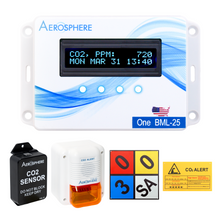
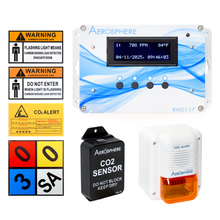
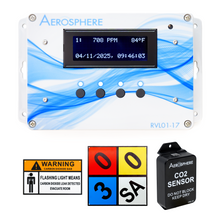
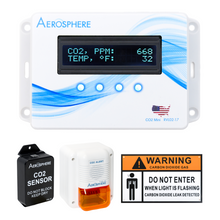
Certain jurisdictions do require monitoring, especially when CO2 cylinders or bulk tanks are stored indoors above certain quantities. Monitoring helps detect leaks early and supports compliance with local requirements. This is where Aerosphere comes in. Aerosphere provides CO2 monitoring systems and CO2 compliance support designed to work alongside real-world CO2 installations. While gas suppliers handle cylinders and tanks, Aerosphere helps ensure those systems are monitored, documented, and managed safely over time.

View our vast line of Carbon Dioxide monitoring systems! Our full line of Aerosphere CO2 monitoring systems are designed to support reliable CO2 detection and compliance across a wide range of facilities.
CO2 Cylinders Are Part of a Larger System
CO2 cylinders are more than just containers of gas. They are part of a larger system that includes supply, storage, safety, compliance, and monitoring. Understanding where CO2 cylinders come from, how they are sized, and how they are managed helps businesses avoid surprises during inspections and operational changes. When paired with the right gas supplier and proper monitoring, CO2 systems can operate safely, predictably, and without disruption. As CO2 use continues to expand across industries, treating cylinders as part of a managed system, not a standalone product, is the key to long-term success.
Visit our CO2 Bulk Tank page and CO2 tank sales and services page to learn more
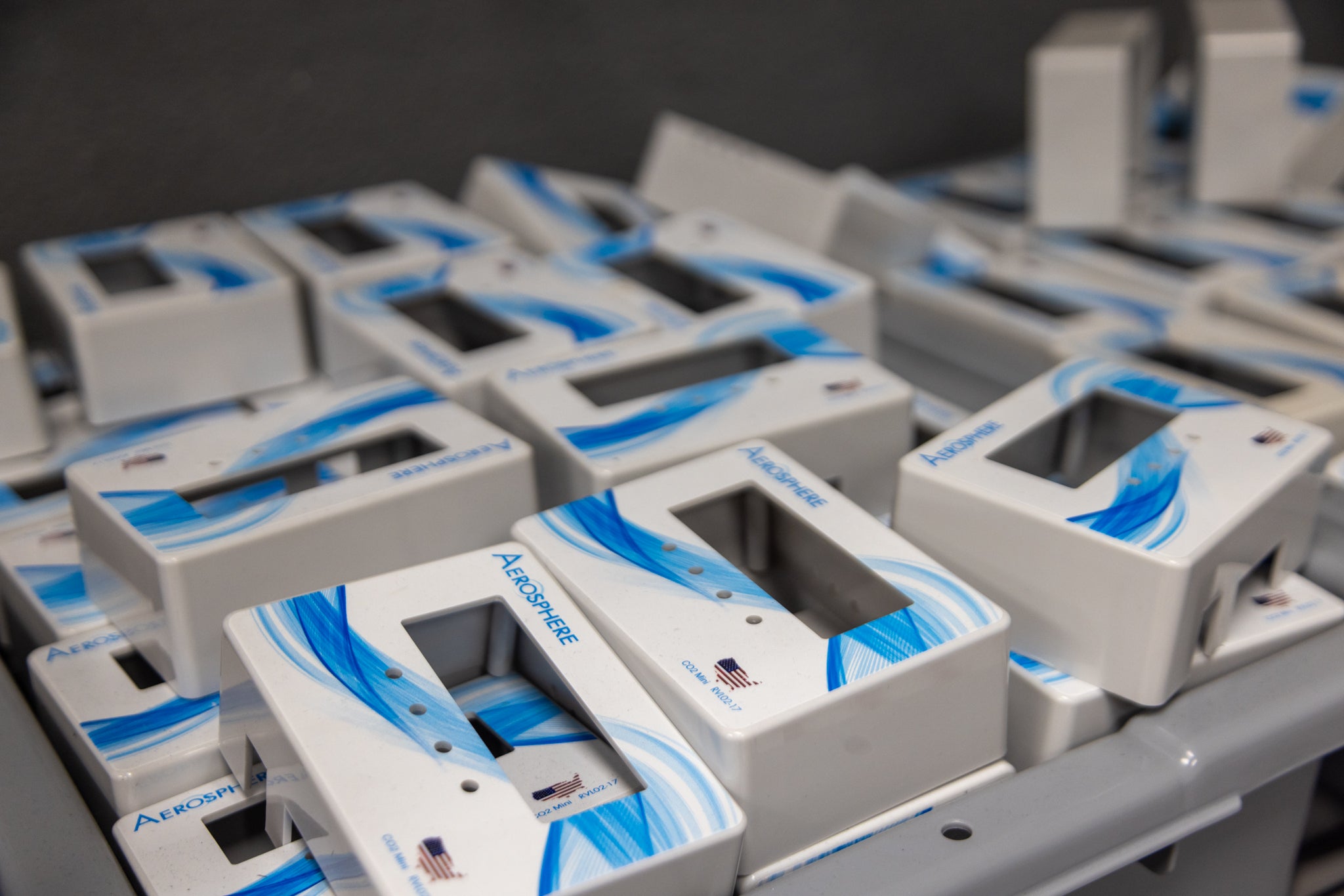
Huge thank you to Cyl-Tec for sharing these CO2 cylinder photos!